Understanding the Role of Telemedicine in Modern Healthcare
In recent years, telemedicine has emerged as a vital component in the healthcare landscape, particularly reshaping how patients connect with their healthcare providers. Telemedicine represents the ability to provide medical services at a distance using telecommunications technology. This innovation not only enhances patient accessibility but also integrates technology into traditional healthcare, leading to a more inclusive and patient-centered approach. As healthcare continues to evolve, exploring options such as link togel may provide comprehensive insights into available services.
What is Telemedicine?
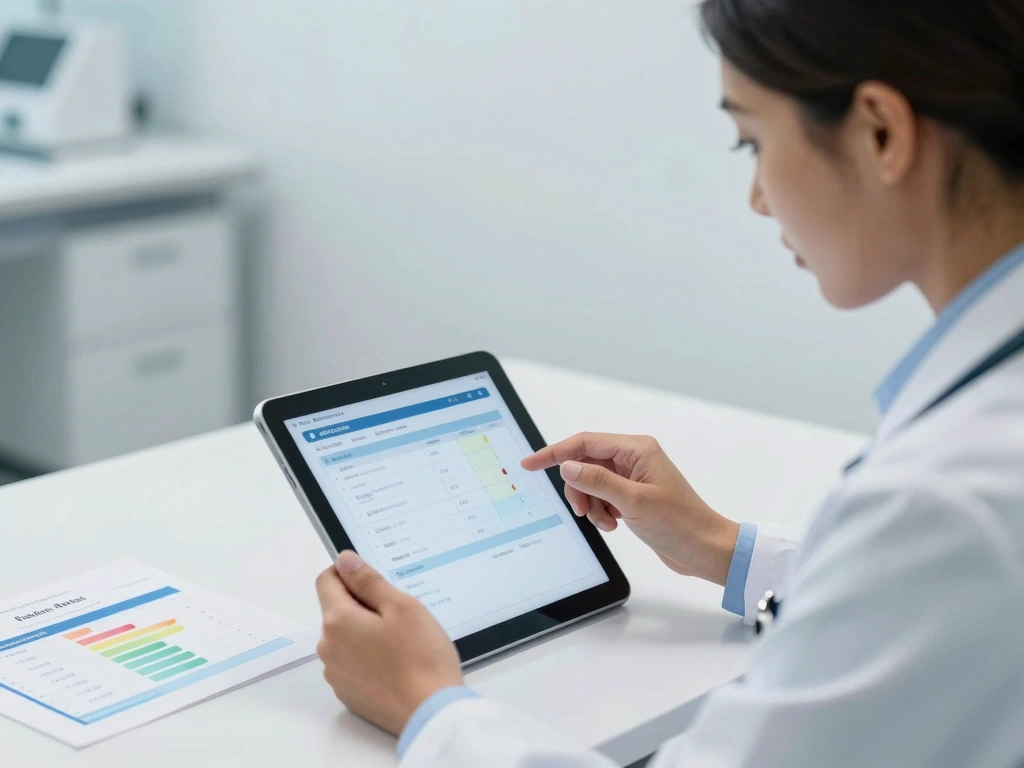
Telemedicine encompasses a range of technologies that facilitate healthcare delivery at a distance. This includes video consultations, remote patient monitoring, secure messaging, and mobile health applications. Providers can assess, diagnose, and treat patients from virtually anywhere, improving access to care, especially in underserved areas. Patients benefit from reduced travel time, flexibility, and often, shorter wait times for appointments.
Benefits of Telehealth Services
- Convenience: Patients can attend appointments from home, reducing the need for transportation and the time spent in waiting rooms.
- Increased Access: Individuals living in remote areas can connect with specialists without the need for extensive travel.
- Cost-Effective: Many telehealth services can be less expensive than traditional in-office visits, thanks to lower overhead costs.
- Continuity of Care: Telemedicine provides an avenue for ongoing communication between patients and providers, allowing for better management of chronic conditions.
How Telemedicine Supports Patient Care
Telemedicine has proven to be essential in providing timely care, particularly during public health emergencies. It allows healthcare providers to triage patients effectively and can even prevent the spread of infectious diseases by minimizing unnecessary in-person visits. Furthermore, telemedicine facilitates preventive care, enabling routine check-ups and follow-up consultations that are crucial for managing health proactively.
Essential Healthcare Services Offered at Local Pharmacies
Local pharmacies serve as a critical healthcare resource, offering a variety of essential services that extend beyond simply dispensing medications. These include e-prescription services, consultations, and wellness products that cater to diverse patient needs. Understanding the breadth of services available is key to optimizing your health approach.
Prescription Management with E-Prescriptions
E-prescriptions revolutionize the way prescriptions are managed by streamlining the process for both healthcare providers and patients. This system reduces errors associated with handwritten prescriptions and allows for quicker filling of medications. Patients benefit from electronic notifications regarding medication refills and direct communications with pharmacists for any inquiries.
Consultations and Medication Counseling
Pharmacists are a valuable source of information and support regarding medication management. They are trained to provide medication counseling, helping patients understand their prescriptions, potential side effects, and interactions with other drugs. These consultations ensure patients are well-informed, leading to better adherence and improved health outcomes.
Wellness Products for Home Care
In addition to medications, local pharmacies offer an array of wellness products such as vitamins, supplements, and first-aid supplies. Many pharmacies also provide equipment for home care, including blood pressure monitors and glucose meters, assisting patients in managing their health at home. Access to these products promotes self-care and empowers patients to take charge of their health.
Building Trust: The Importance of Patient-Centered Care
Patient-centered care is fundamental for building trust between healthcare providers and patients. It involves recognizing and respecting patient preferences, values, and needs, which significantly enhances the overall healthcare experience. Creating a supportive atmosphere encourages patients to engage actively in their health journeys.
Strategies for Effective Communication in Healthcare
One of the cornerstones of patient-centered care is effective communication. Healthcare providers should employ clear, empathetic communication styles to convey information in a manner that is easily understood. This includes active listening, encouraging questions, and providing reassurance, which can alleviate anxieties surrounding medical appointments and treatments.
Patient Rights and Advocacy in Modern Practices
Advocating for patients' rights is essential to fostering a healthcare system that prioritizes their needs. Patients have the right to informed consent, confidentiality, and access to their medical records. Advocacy ensures that these rights are upheld, empowering patients to make informed decisions regarding their healthcare.
Creating a Compassionate Environment
A compassionate healthcare environment promotes emotional well-being and comfort. Medical professionals should be trained not only in clinical care but also in understanding the emotional impacts of health issues. By acknowledging the human side of healthcare, providers can significantly enhance patient satisfaction and trust.
Preventive Health Measures: Staying Ahead of Illness
Investing in preventive health measures is crucial for reducing the risk of illness and enhancing overall quality of life. Healthcare providers play a vital role in educating their patients about the importance of preventive care and regular screenings, which can detect conditions early when they are more manageable.
Regular Screenings and Health Assessments
Regular health assessments and screenings are critical in identifying potential health issues before they develop into serious conditions. Providers recommend screenings based on age, gender, and family history and can guide individuals towards appropriate preventive strategies tailored to their specific needs.
Vaccination Importance and Schedules
Vaccinations are essential for preventing infectious diseases and maintaining public health. Staying current with vaccine schedules not only protects individuals but also contributes to herd immunity, safeguarding the wider community. Healthcare providers can offer guidance on vaccination schedules and address any concerns patients may have.
Nutritional Advice for a Healthier Life
Proper nutrition is foundational for good health. Healthcare providers can offer guidance on dietary choices, meal planning, and the significance of nutrition in managing chronic diseases. Promoting healthy eating habits can lead to enhanced well-being and vitality.
Exploring Alternative Therapies: What You Need to Know
Increasingly, patients are turning towards alternative therapies as complementing or alternative options alongside traditional medical treatments. Understanding these options can empower patients to make informed choices about their health.
Overview of Homeopathy and Its Uses
Homeopathy is a system of alternative medicine based on the principle of treating "like with like." It involves using highly diluted substances to trigger the body's self-healing processes. Although evidence regarding its efficacy remains mixed, many patients report positive outcomes, highlighting the importance of individualized treatment approaches.
Understanding Medical Cannabis Options
Medical cannabis has garnered attention for its potential therapeutic benefits, particularly in pain management and symptom relief for certain conditions. Patients considering medical cannabis should consult their healthcare providers for tailored advice and legal considerations regarding its use.
Integrating Holistic Approaches into Patient Care
Holistic health care encompasses treating the whole person, addressing physical, emotional, and spiritual needs. Incorporating holistic approaches can enhance patient outcomes by considering factors like lifestyle and mental health. Healthcare providers are increasingly recognizing the value of integrative techniques to promote comprehensive care.